Préparation :
- Pressez l’orange, puis prélevez finement le zeste. Travaillez le beurre mou avec le sucre jusqu’à obtenir une texture crémeuse et pâle. Ajoutez l’œuf, la vanille, le zeste, puis le jus d’orange. Mélangez jusqu’à ce que la préparation soit lisse.
- Incorporez la farine, la levure chimique et le sel en une seule fois. Mélangez juste assez pour former une pâte souple. Elle doit se tenir sans devenir collante. Si elle semble trop molle, ajoutez un peu de farine sur le plan de travail.
- Rassemblez la pâte en boule, aplatissez-la légèrement, puis filmez-la. Laissez-la reposer au frais pour qu’elle raffermisse. Ce temps améliore la tenue à la cuisson et donne des sablés plus nets.
- Étalez la pâte sur un plan légèrement fariné sur une épaisseur régulière. Découpez des formes à l’emporte-pièce, puis déposez-les sur une plaque recouverte de papier cuisson. Rassemblez les chutes et recommencez jusqu’à épuisement de la pâte.
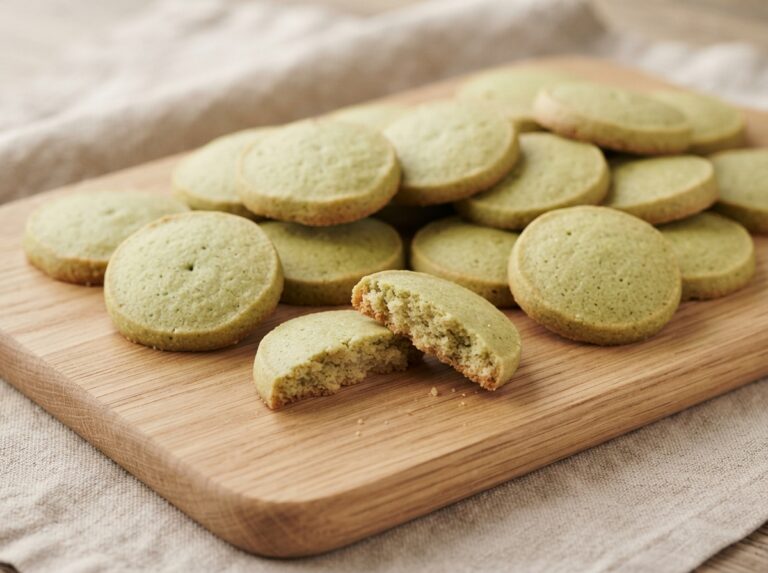
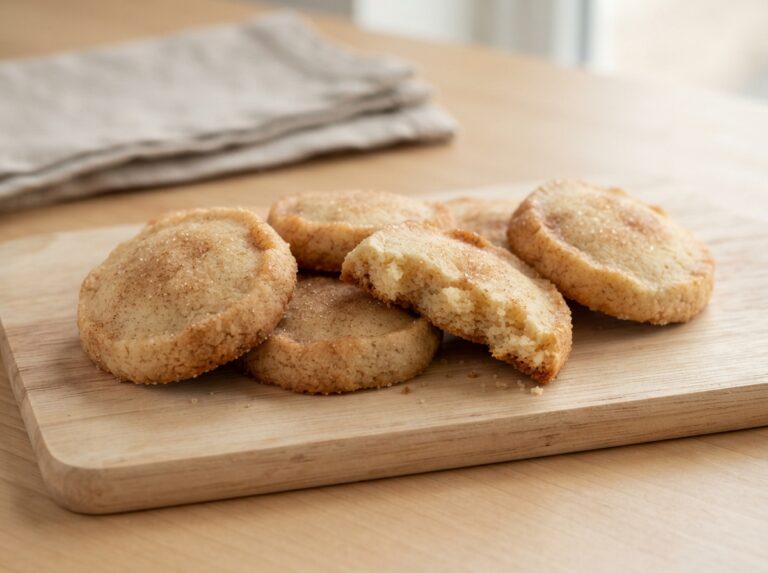
- Faites cuire jusqu’à ce que les bords prennent une couleur légèrement dorée. Les biscuits doivent rester clairs au centre, avec une surface sèche et un bord juste coloré. Laissez-les tiédir quelques minutes avant de les déplacer.
- Laissez refroidir complètement sur une grille. Saupoudrez de sucre glace si vous aimez une finition plus douce et plus élégante. Servez les sablés à l’orange avec un thé, un café ou une salade de fruits.
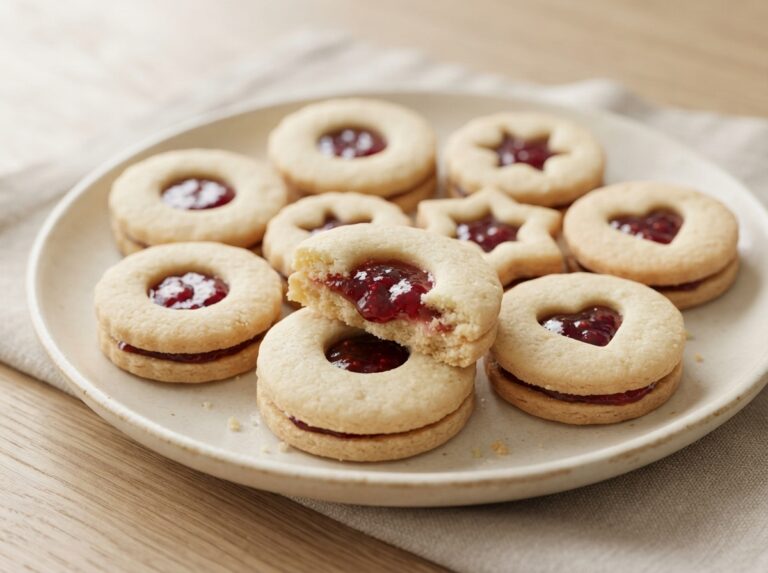
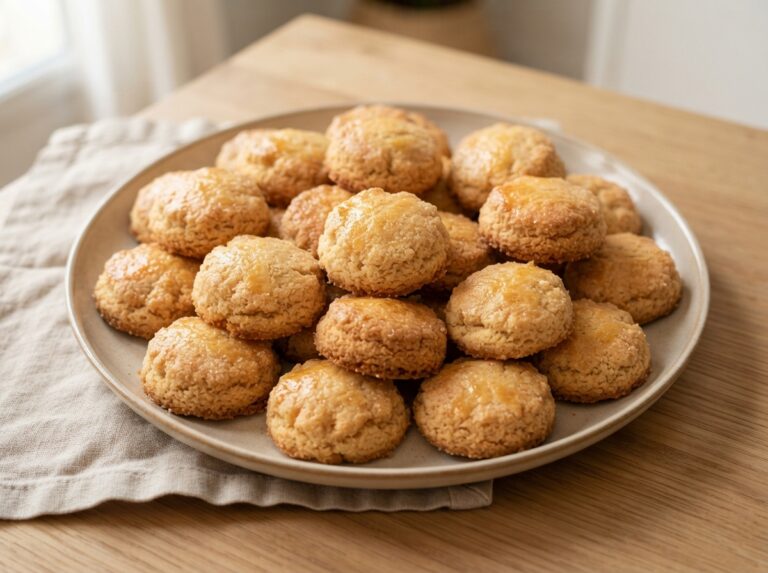
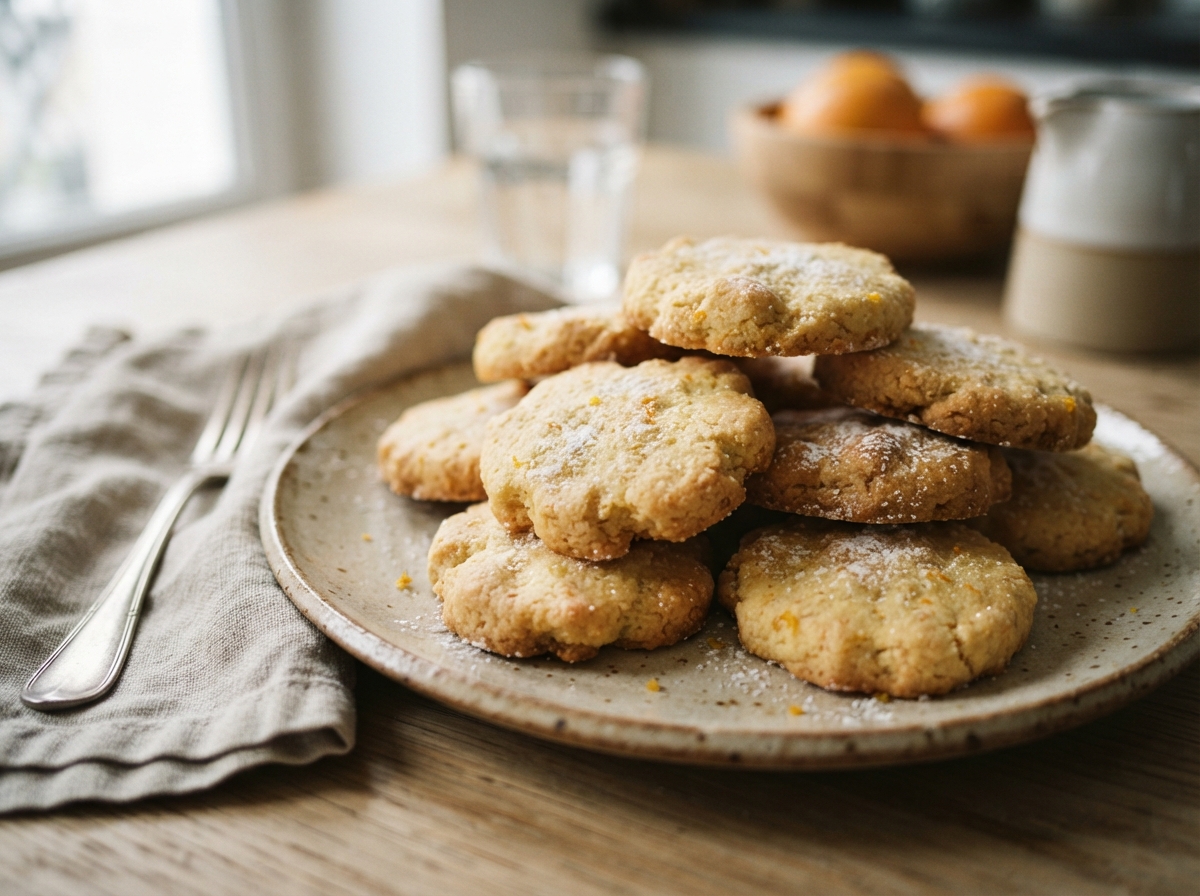
- En cuisine, les biscuits sablés à l’orange apportent tout de suite une note lumineuse. Leur parfum est frais et gourmand à la fois. On obtient un biscuit simple, net, et très agréable à croquer.Ce que j’apprécie surtout, c’est leur équilibre entre fondant et friabilité. La recette avance vite, avec des gestes faciles et peu d’ingrédients. Les sablés à l’orange restent parfaits pour un goûter improvisé.L’orange donne une belle profondeur aromatique. Le beurre arrondit l’ensemble, tandis que le sucre glace apporte une finition douce. Ce contraste plaît beaucoup dans les biscuits orange, surtout quand on aime les saveurs franches.Vous pouvez les personnaliser avec un peu de cannelle, de cardamome ou des graines de pavot. Une touche de vanille fonctionne aussi très bien. Cette base de sablés maison s’adapte facilement à une cuisine rapide et bien organisée.Ces biscuits plaisent aux adultes comme aux enfants. Ils trouvent leur place au goûter, après un repas, ou sur une table de fêtes. Servez-les avec un thé noir, une compote, ou quelques quartiers d’orange fraîche.
- image_prompt »: »**Biscuits sablés à l’orange** finished and served as a neat homemade stack of golden-orange citrus shortbread cookies on a light oak wooden serving board.nnFinal dish presentation:n- photographed from EXACTLY a 35-degree camera angle above the dish (fixed camera elevation for every image produced, never 15°, never 25°, never 40°, never top-down, never front-on)n- the whole serving board is centered in the frame with a tight close-up composition, the board filling nearly the entire image with only a narrow breathing marginn- the cookies are fully baked, dry on the surface, lightly golden at the edges, pale in the center, and dusted with a thin snowfall of icing sugarn- the biscuits are arranged in a small overlapping stack and a few loose cookies beside it, all on the same board, with no plate, no bowl, and no baking tray visiblen- no cutlery visible, no fork, no knife, no spoon anywhere in the frame — the cookies are meant to be eaten by handn- no hands, no preparation scene, no raw dough, no mixing bowl, no rolling pin, no parchment sheet as a main subject, no oven, no kitchen cluttern- the light oak wooden serving board is the primary surface, matte and natural, with the cookies resting directly on itn- the background is minimal and softly blurred, just a neutral pale surface with very strong depth of field separationn- the whole composition feels bright, clean, homemade, and magazine-style, with the cookies dominating the framennBiscuits sablés à l’orange texture:n- crisp-edged, tender-centered shortbread cookies with a delicate sandy crumbn- lightly uneven handmade surfaces, small natural cracks, buttery matte finishn- fine icing sugar dusting settled on top and in tiny crevicesnnOrange texture:n- bright orange zest visible as tiny fine flecks in the doughn- subtle warm citrus glow in the crumb, not wet, not glossyn- fresh orange note suggested by tiny specks and a faint golden tintnnButter texture:n- rich, smooth, baked-in buttery crumb structuren- soft golden color at the edges, slightly deeper where the cookies brownedn- no visible pooling, fully absorbed into the shortbreadnnFlour texture:n- fine, pale beige shortbread crumbn- compact yet crumbly structure, clean broken edges where pieces are stackedn- dry, delicate, and evenly bakednnSugar texture:n- fine white icing sugar lightly dusted over the top cookiesn- a soft velvety matte powdering, not clumpedn- tiny sparkling highlights under soft lightnnEgg texture:n- baked-in binder, invisible as a separate ingredientn- contributes to a smooth, cohesive cookie crumbn- no wet sheen, fully set in the finished biscuitsnnSalt texture:n- entirely dissolved into the dough, not visible as grainsn- only implied as a subtle contrast in flavorn- no direct visual prominencennBaking powder texture:n- even lift in the cookie thickness, slight gentle puffinessn- fine, uniform crumb with no large holesn- subtle, natural rise rather than a cake-like texturennVanilla texture:n- warm creamy undertone suggested in the pale golden crumbn- no visible specks unless extremely faintn- smooth aromatic baked surfacennIcing sugar texture:n- delicate powdery white coating on the upper surfacesn- soft, snowy, ultra-fine finishn- unevenly scattered for a natural homemade looknnColor palette:n- warm golden orange cookie edgesn- pale buttery beige crumbn- soft white icing sugarn- light honey-gold highlightsn- muted natural wood tonesnnVisual realism:n- authentic homemade shortbread appearance, realistic cookie thickness, natural crumbly edges, no duplicated patterns, no artificial perfect symmetry, believable stacked arrangement, subtle sugar fallout on the boardnnFood photography:n- ultra-realistic professional food photography, soft diffuse natural window/side-lighting highlighting the matte sugar and buttery crumb with gentle shadows for volume, shallow depth of field, strong background blur, 85mm macro lens feel, highly detailed textures, 8K photorealistic quality, razor-sharp focus on the cookies, culinary magazine stylennNo timing text, no descriptions overlay, no extra notes, no clutter, minimal shadows, no numbers, no digits, no numbered badges or circles, no watermark, no logo, no captions of any kind anywhere in the image. », »collage_prompt »: »A vertical Pinterest-style food photography collage for **Biscuits sablés à l’orange**, portrait orientation, 2:3 aspect ratio, EXACTLY 6 square photo panels arranged in a 2-column by 3-row grid (2×3, total 6, no more no less), same serving board and consistent lighting across all panels. This is a plain photographic grid, not an infographic, not a tutorial graphic, not a diagram — just six ordinary food photographs placed side by side. ABSOLUTELY NO TEXT ANYWHERE: no panel numbers, no digits, no badges, no circles, no ingredient name captions or labels under any bowl or item, no watermark, no words in any language. Pure photography only, zero typography of any kind.nnStyle:n- ultra-realistic food photography, bright natural lighting, clean modern kitchen aesthetic, soft shadows and realistic textures, elegant Pinterest-style composition, premium food magazine look, soft pastel or white background, FIXED 35-DEGREE CAMERA ANGLE above the food for EVERY one of the 6 panels (identical camera elevation across all 6 panels AND matching the same 35° angle used in the featured image above — never top-down, never flat lay, never a three-quarter overhead view, never a low 10-15° near-eye-level view, exactly 35 degrees above the food for consistent framing), highly appetizing and realisticnnPanneau en haut à gauche — ingredients: small separate bowls and tiny plates showing the real ingredients from the recipe list: flour as a pale white mound, butter as a small creamy yellow block, sugar as white granulated crystals, one whole egg, one whole orange, a pinch of salt in a tiny dish, baking powder in a tiny bowl, vanilla extract in a small amber glass, icing sugar in a small white bowl. No labels, no writing, no captions, only the ingredients visible.nPanneau en haut à droite — mixing stage: a large mixing bowl with softened butter and sugar being creamed into a pale, fluffy mixture, with orange zest and egg already incorporated, the texture smooth and slightly airy, a second small bowl of fresh orange juice visible beside it, no hands, no utensils in motion.nPanneau du milieu à gauche — dough stage: the flour, baking powder, and salt have just been added into the bowl, and the dough is being gathered into a soft cohesive mass with a smooth but slightly crumbly shortbread texture, orange flecks visible throughout, the mixture clearly thicker and more compact than the previous panel.nPanneau du milieu à droite — shaping stage: the dough is rolled on a lightly floured surface and cut with cookie cutters, with several raw shaped orange-speckled rounds placed neatly on baking parchment, the shapes clearly distinct and evenly spaced, no oven visible, no baking tray dominating the frame.nPanneau en bas à gauche — the finished biscuits in full: a stack of baked orange sablés on a light oak wooden serving board, lightly golden at the edges and dusted with icing sugar, with a few loose cookies beside the stack. The board is centered, the cookies look crisp, tender, and homemade, and no cutlery is visible.nPanneau en bas à droite — extreme close-up final detail: a single finished biscuit resting stably on the same light oak wooden serving board, photographed in a tight macro close-up from the same 35-degree angle, the cookie filling almost the entire panel. The shot must show the delicate crumb, tiny orange zest flecks, sandy shortbread texture, and a soft dusting of icing sugar. The cookie is centered, the board surface is visible only as a narrow support, and the background is strongly blurred.nnDIFFÉRENCIATION VISUELLE OBLIGATOIRE ENTRE LES 6 PANNEAUX:n- the top-left panel is a clean ingredient mise en place with separated raw ingredientsn- the top-right panel shows creaming and wet mixing, visibly smoother and palern- the middle-left panel shows the dough becoming thicker and more compactn- the middle-right panel shows shaped raw cookies ready to bake, flat and arranged on parchmentn- the bottom-left panel shows the finished full batch plated on the wooden boardn- the bottom-right panel is an extreme macro close-up of a single baked cookie, with the crumb and sugar dusting dominantnnApply the same consistency rules as the featured image:n- use only the listed recipe ingredients, never invent extra garnishn- keep the cookies visibly orange-flavored through zest flecks and a subtle citrus tonen- keep the final cookies fully baked, lightly golden, and powdery with icing sugarn- the serving surface for the finished cookies is the same light oak wooden serving board as the featured image, never a tray, never a plate, never a metal pann- no hands, no action blur, no baking appliance as a subject, no clutternnFood details: the ingredients must look fresh and realistic; butter, sugar, orange zest, and dough should have rich, detailed texture; the finished cookies should show believable crumb and soft sugar dusting; add realistic baking details like fine cracks and a delicate golden edge.nQuality: ultra-detailed, professional food photography, viral Pinterest aesthetic, 4K realistic rendering, clean composition, coherent lighting and color across all 6 panels.nThe final image must look exactly like a professional Pinterest tutorial collage showing the recipe from ingredients to finished cookies.nSTRICT REQUIREMENTS: portrait orientation, 2:3 aspect ratio, exactly 6 panels total, arranged in a 2×3 grid, absolutely no more and no less. ABSOLUTELY NO TEXT ANYWHERE IN THE IMAGE, of any kind: no panel numbers, no digits, no step counters, no numbered badges or circles, no ingredient names written as captions or labels under bowls/items, no watermark, no logo, no captions, no words in any language, no typography of any kind. This is a pure photograph — if you find yourself about to render any letter, word, or number anywhere in the frame, do not. Pure photography only, zero graphic overlays, zero text. »}】.json« `}}] }« « `json}]}]}]}]}]}]}]}]}}]}}]}]}]}]}]}]}]}]}]}]}]}]}]}]}]}]}]}]}]}]}}}]}]}]}]}]}]}]}]}]}]}]}]}]}]}]}]}]}]}]}]}]}]}]}]}]}}}]}]}]}]}]}]}]}]}]}]}]}]}]}]}]}]}]}]}]}]}]}]}]}]}]}]}]}]}]}]}]}]}]}]}]}]}]}]}]}]}]}]}]}]}]}]}]}]}]}]}]}]}]}]}}}]}]}]}]}]}]}]}]}]}]}]}]}]}]}]}]}]}]}]}]}]}]}]}]}]}]}]}]}]}]}]}]}]}]}]}]}]}]}]}]}]}]}]}]}]}]}]}]}]}]}]}]}]}]}]}]}]}]}]}]}]}]}]}]}]}]}]}]}]}]}]}]}]}]}]}]}]}]}]}]}]}]}]}]}]}]}]}]}]}]}]}]}]}]}]}]}]}]}]}]}]}]}]}]}]}]}]}]}]}]}]}]}]}]}]}]}]}]}]}]}]}]}]}]}]}]}]}]}]}]}]}]}]}]}]}]}]}]}]}]}]}]}]}]}]}]}]}]}]}]}]}]}]}]}]}]}]}]}]}]}]}]}]}]}]}]}]}]}]}]}]}]}]}]}]}]}]}]}]}]}}}]}]}]}]}]}]}]}]}]}]}]}]}]}]}]}]}]}]}]}]}]}]}]}]}]}]}]}]}]}]}]}]}]}]}]}]}]}]}]}]}]}]}]}]}]}]}]}]}]}]}]}]}]}]}]}]}]}]}]}]}]}]}]}]}]}]}]}]}]}]}]}]}]}]}]}]}]}]}]}]}]}]}]}]}]}]}]}]}]}]}]}]}]}]}]}]}]}]}]}]}]}]}]}]}]}]}]}]}]}]}]}]}]}]}]}]}]}]}]}]}]}]}]}]}]}]}]}]}]}]}]}]}]}]}]}]}]}]}]}]}]}]}]}]}]}]}]}]}]}]}]}]}]}]}]}]}]}]}]}]}]}]}]}]}]}]}]}]}]}]}]}]}]}]}]}]}]}]}]}]}]}]}]}]}]}]}}}]}]}]}]}]}]}]}]}]}]}]}]}]}]}]}]}]}]}]}]}]}]}]}]}]}]}]}]}]}]}]}]}]}]}]}]}]}]}]}]}]}]}]}]}]}]}]}]}]}]}]}]}]}]}]}]}]}]}]}]}]}]}]}]}]}]}]}]}]}]}]}]}]}]}]}]}]}]}]}]}]}]}]}]}]}]}]}]}]}]}]}]}]}]}]}]}]}]}]}]}]}]}]}]}}}]}]}]}]}]}}}]}]}]}]}]}]}]}]}]}]}]}]}]}]}]}]}]}]}]}]}]}]}]}]}]}}}]}]}]}]}]}]}]}]}]}]}]}]}]}]}]}]}]}]}]}]}]}]}]}]}]}]}]}]}]}]}]}]}]}]}]}]}]}]}]}]}]}]}]}]}]}]}]}]}]}]}]}]}]}]}]}]}]}]}]}]}]}]}]}]}]}]}]}]}]}]}]}]}]}]}]}]}]}]}]}]}]}]}]}]}]}]}}}]}]}]}]}]}]}]}]}]}]}]}]}]}]}]}]}]}]}]}]}]}]}]}]}]}]}]}]}]}]}]}]}]}]}]}]}]}]}]}]}]}]}]}]}]}]}]}]}]}]}]}]}]}]}]}]}]}]}]}]}]}]}]}]}]}]}]}]}}}]}]}]}}}]}]}]}]}]}]}]}]}]}]}]}]}]}]}]}]}]}]}]}]}]}]}]}]}]}]}]}]}]}]}]}]}]}]}]}]}]}]}]}]}]}]}]}}}]}]}]}]}]}]}]}]}]}]}]}]}]}]}]}]}]}]}]}]}]}]}]}]}]}]}]}]}]}]}]}]}]}]}]}]}]}]}]}]}]}]}]}]}]}]}]}]}]}]}]}]}]}]}]}]}]}]}]}]}]}]}]}]}]}]}]}]}]}]}]}]}}}]}]}]}]}]}]}]}]}]}]}]}]}]}]}]}]}]}]}]}]}]}]}]}]}]}]}]}]}]}]}]}]}]}]}]}]}}}]}]}]}]}]}]}]}]}]}]}]}]}]}]}]}]}]}]}]}]}]}]}]}]}]}]}]}]}]}]}]}]}]}]}]}]}]}]}]}]}]}]}]}]}]}]}]}]}]}]}]}]}]}]}]}]}]}]}]}]}]}]}]}]}]}]}]}]}]}]}]}]}]}]}]}]}]}]}]}]}]}]}]}]}]}]}]}]}}}]}]}]}]}]}]}]}}}]}]}]}}}]}]}]}]}]}]}]}]}]}]}]}]}]}]}]}]}]}]}]}]}]}]}]}]}]}]}]}]}]}]}]}]}]}]}]}]}]}]}]}]}}}]}]}]}]}]}]}]}]}]}]}]}]}]}]}]}]}]}]}]}]}]}]}]}]}]}]}]}]}]}]}]}]}]}]}]}]}]}]}]}]}]}]}]}]}]}]}]}]}]}]}]}]}]}]}]}]}]}]}]}]}]}]}]}]}]}]}]}]}]}]}]}]}]}]}]}]}]}]}]}]}]}]}]}]}]}]}]}]}]}]}]}]}]}]}]}]}]}]}]}]}]}]}]}]}]}]}]}]}]}]}]}]}]}]}]}]}]}]}]}]}]}]}]}]}]}}}]}]}]}]}]}]}]}]}]}]}]}]}]}]}]}]}]}]}]}]}]}]}]}]}]}]}]}]}]}]}]}]}]}]}]}]}]}]}]}]}]}]}]}]}]}]}]}]}]}]}]}]}]}]}]}]}]}]}]}]}]}]}]}]}]}]}]}]}}}]}]}]}}}]}]}}}]}]}]}]}]}]}]}]}]}]}]}]}]}]}]}]}]}]}]}]}]}]}]}]}]}]}]}]}]}]}]}]}]}]}]}]}]}]}]}]}]}]}]}]}]}]}]}]}]}]}]}]}]}]}]}]}]}]}]}]}]}]}]}]}]}]}]}]}]}]}]}]}]}]}]}]}]}]}]}]}]}]}]}]}]}]}]}]}]}]}]}]}]}]}]}]}]}]}]}]}]}]}]}]}]}]}]}]}]}]}]}]}]}]}]}]}]}]}]}]}]}]}]}]}]}]}]}]}]}]}]}]}]}]}]}]}]}]}]}]}]}]}]}]}]}]}]}]}]}]}]}]}]}]}]}]}]}]}]}]}]}]}]}]}]}]}]}]}]}]}]}]}]}]}]}]}]}]}]}]}]}]}]}]}]}]}]}]}]}]}]}]}]}]}]}}}]}]}]}]}
Conseils :
- Râpez finement le zeste pour parfumer la pâte sans ajouter d’amertume.
- Laissez bien reposer la pâte au frais pour obtenir des sablés plus nets.
- Étalez la pâte sur une épaisseur régulière pour assurer une cuisson homogène.
- Surveillez la cuisson dès que les bords blondissent, car les biscuits dorent vite.
- Ajoutez le sucre glace seulement après refroidissement pour éviter qu’il fonde.
FAQs :
Peut-on préparer ces sablés à l’orange à l’avance ?
Oui, vous pouvez préparer la pâte la veille. Gardez-la filmée au réfrigérateur jusqu’au lendemain. Vous pouvez aussi cuire les biscuits à l’avance, puis les conserver dans une boîte hermétique.
Comment conserver ces biscuits orange pour garder leur texture ?
Laissez-les refroidir complètement avant de les ranger. Conservez-les dans une boîte hermétique, à température ambiante. Ils restent bien croustillants pendant quatre à cinq jours.
Peut-on faire cette recette en version sans lactose ?
Oui, remplacez le beurre doux par une margarine végétale spéciale pâtisserie. Choisissez une version ferme et riche en matières grasses. La texture sera un peu différente, mais les sablés resteront bons.
Peut-on réaliser ces sablés maison sans gluten ?
Oui, utilisez un mélange de farine sans gluten prévu pour la pâtisserie. Ajoutez un peu si la pâte semble trop souple. Le repos au froid reste indispensable pour garder de jolis sablés.
Ces biscuits de Noël se servent-ils plutôt froids ou tièdes ?
Ils sont meilleurs complètement refroidis. Le parfum d’orange ressort davantage après repos. Servez-les avec un thé, un café ou une salade de fruits.
Peut-on varier la recette avec d’autres parfums ?
Oui, ajoutez une pincée de cannelle, de cardamome ou des graines de pavot. Vous pouvez aussi remplacer une partie du zeste d’orange par du citron. Gardez les proportions pour ne pas détremper la pâte.